Tourmaline (碧玺)is celebrated as one of the world’s most captivating gemstones, dazzling collectors and jewelry enthusiasts with its spectacular color palette. But beyond its beauty lies a universe of fascinating stories and unique varieties. Learning fun facts about tourmaline types not only enhances your appreciation but also unravels the nature and allure of this extraordinary gem.
What is Tourmaline?
The name “tourmaline” originates from the Sinhalese word turmali, meaning “mixed gems”—a fitting name for a stone known for its diversity.
Basic Mineralogical Properties
Tourmaline is a group of boron silicate minerals bonded with elements like iron, magnesium, and lithium. Its structure enables a wide array of colors, making it a true “chameleon” in the mineral world.
Global Sources and Mining Locations
Tourmaline is mined across the globe, with prominent sources in Brazil, Afghanistan, Nigeria, Madagascar, and the United States (notably California and Maine).
Overview of Tourmaline Types - The Rainbow Gem: Why So Many Colors?
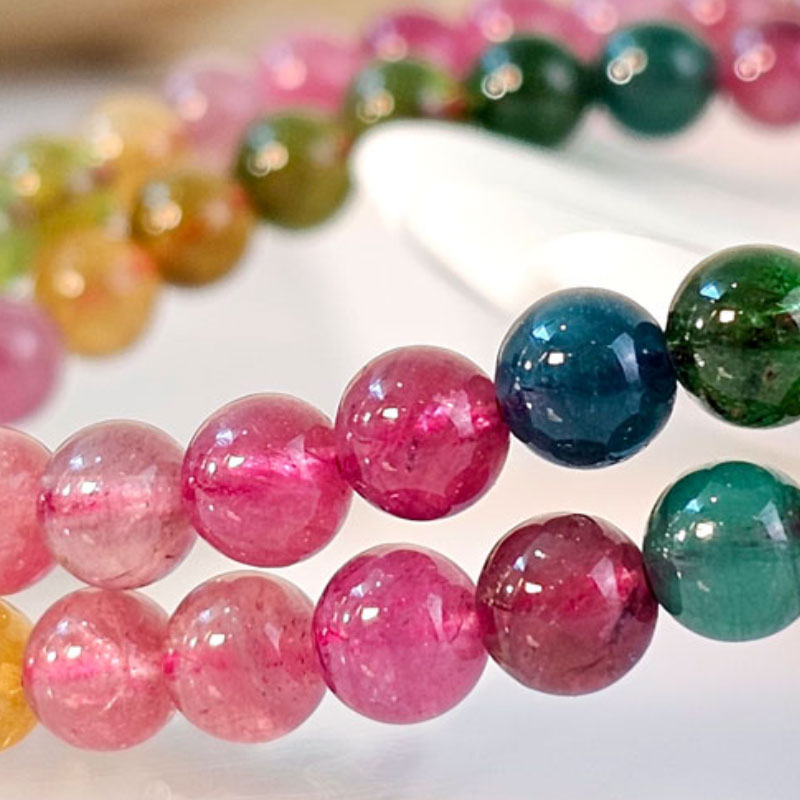
Few gemstones rival tourmaline’s color range. Trace elements such as manganese, iron, lithium, and chromium create everything from neon blues to vibrant pinks and lush greens within the crystal.
Common and Rare Varieties
While some types like Schorl (black tourmaline) are abundantly found, rare varieties such as Paraíba, Liddicoatite, and Indicolite are highly sought after by collectors for their vivid, unusual hues.
Fun Facts About Popular Types of Tourmaline
A. Schorl (Black Tourmaline)
- Most Abundant: Up to 95% of all tourmaline is schorl, recognized by its deep black colour.
- Myths & Lore* Revered for its supposed protective energy, many believe schorl wards off negativity.
B. Paraíba Tourmaline
- Neon Flash: Found first in Paraíba, Brazil, these stones are famous for their electric blue and green caused by copper.
- Rarity & Price: Paraíbas are among the priciest tourmalines—sometimes valued more than diamonds!
C. Rubellite
- Rich Reds & Pinks: The name “Rubellite” only applies to intensely red or hot pink tourmalines unaffected by lighting conditions.
- Legendary Gem: Rubellites have been mistaken for rubies and featured in royal jewelry throughout history.
D. Watermelon Tourmaline
- Nature’s Candy: This variety displays a unique pink center encased in green—mirroring a watermelon slice.
- Name & Look: The striking color division gave rise to its delicious nickname.
E. Indicolite
- Rare Blues: Pure blue tourmaline is called indicolite; its intense hue comes from iron traces.
- Challenging Finds: High-quality, unblended blue indicolite is exceptionally rare.
F. Chrome Tourmaline
- Vivid Green: Chromium infuses this type with a lively emerald-green shade.
- Emerald Rival: Its exceptional brightness often draws comparisons to fine emeralds.
Unique Properties and Surprising Facts
A. Pleochroism: Tourmaline’s Multi-Color Trick
Viewed from different angles, tourmaline shows varying depths of color—a phenomenon called pleochroism.
B. Scientific Wonders
Tourmaline is both piezoelectric (produces an electrical charge under pressure) and pyroelectric (charges when heated), making it valuable in early scientific instruments.
C. Birthstone & Beliefs
As an October birthstone, tourmaline symbolizes compassion and healing. Legends across cultures hail it as a stone born from rainbows—believed to inspire creativity and protect against harm.
How to Identify and Care for Different Tourmaline Types
- Identification: Tourmaline’s color is a big clue, but inclusions, crystal habit, and pleochroism help tell each variety apart.
- Care: Clean tourmaline jewelry gently with mild soap, avoiding harsh chemicals and ultrasonic cleaners to preserve its brilliance.
Conclusion
From myth-shrouded black tourmaline to the dazzling blues of Paraíba and the candy-colored watermelon variety, each type of tourmaline offers its own set of fascinating facts and allure. This gemstone continues to mesmerize collectors and jewelry lovers with every shade of the rainbow. Ready to experience the tourmaline spectrum firsthand? Discover these remarkable gems at a local jeweler or explore curated collections online—your own piece of gemstone magic awaits!